
Breaking Records, Redesigning Impact in Marathon Running

The 2026 London Marathon made headlines for one reason above all : a new world record.
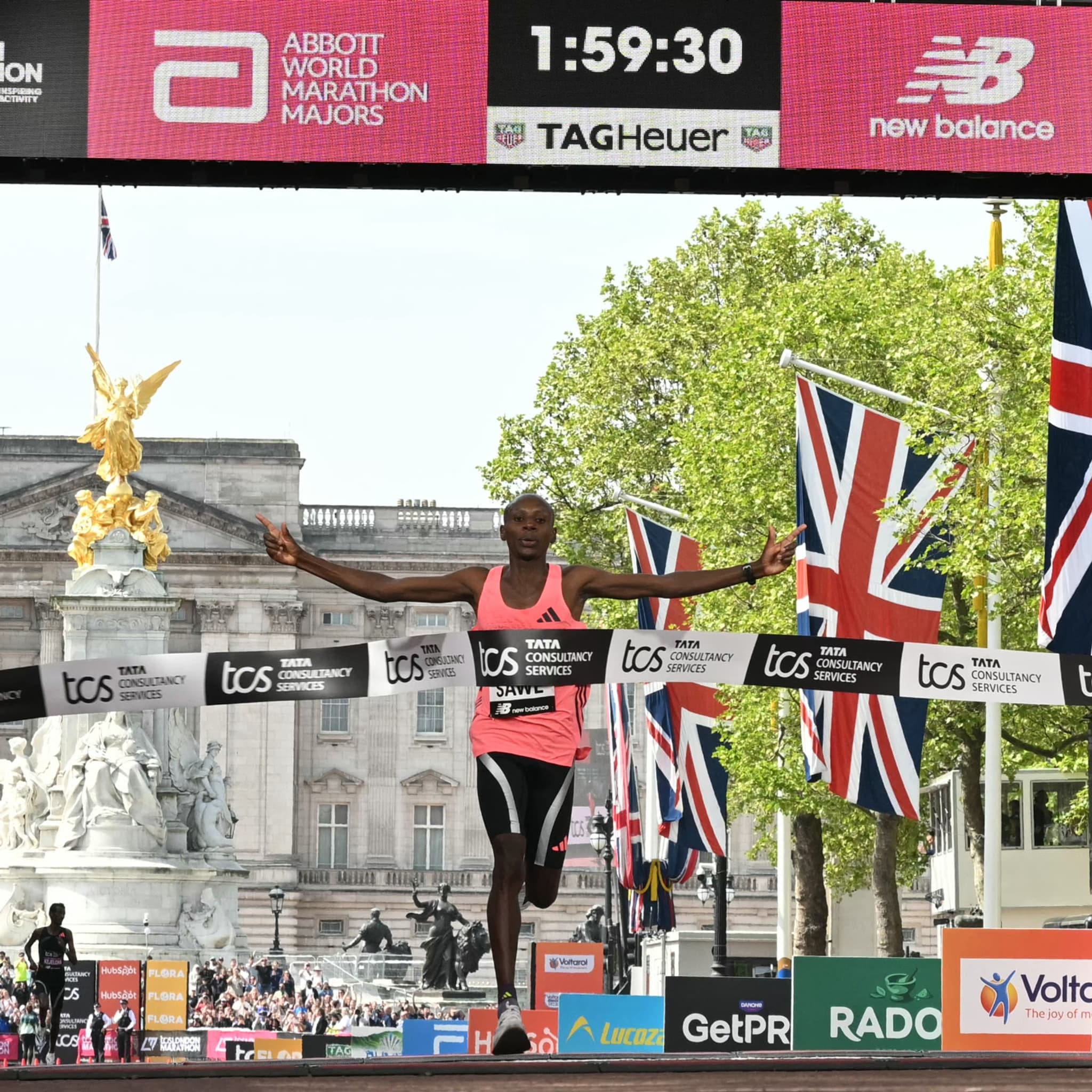
But alongside these moments of sporting excellence, another thread has been running through the event’s recent history ; less visible, but part of the same course.
Back in 2019, the London Marathon explored a sustainability initiative in collaboration with Notpla. At several points along the route, runners were offered Ooho capsules: seaweed-based alternatives to single-use plastic bottles designed for on-the-go hydration.
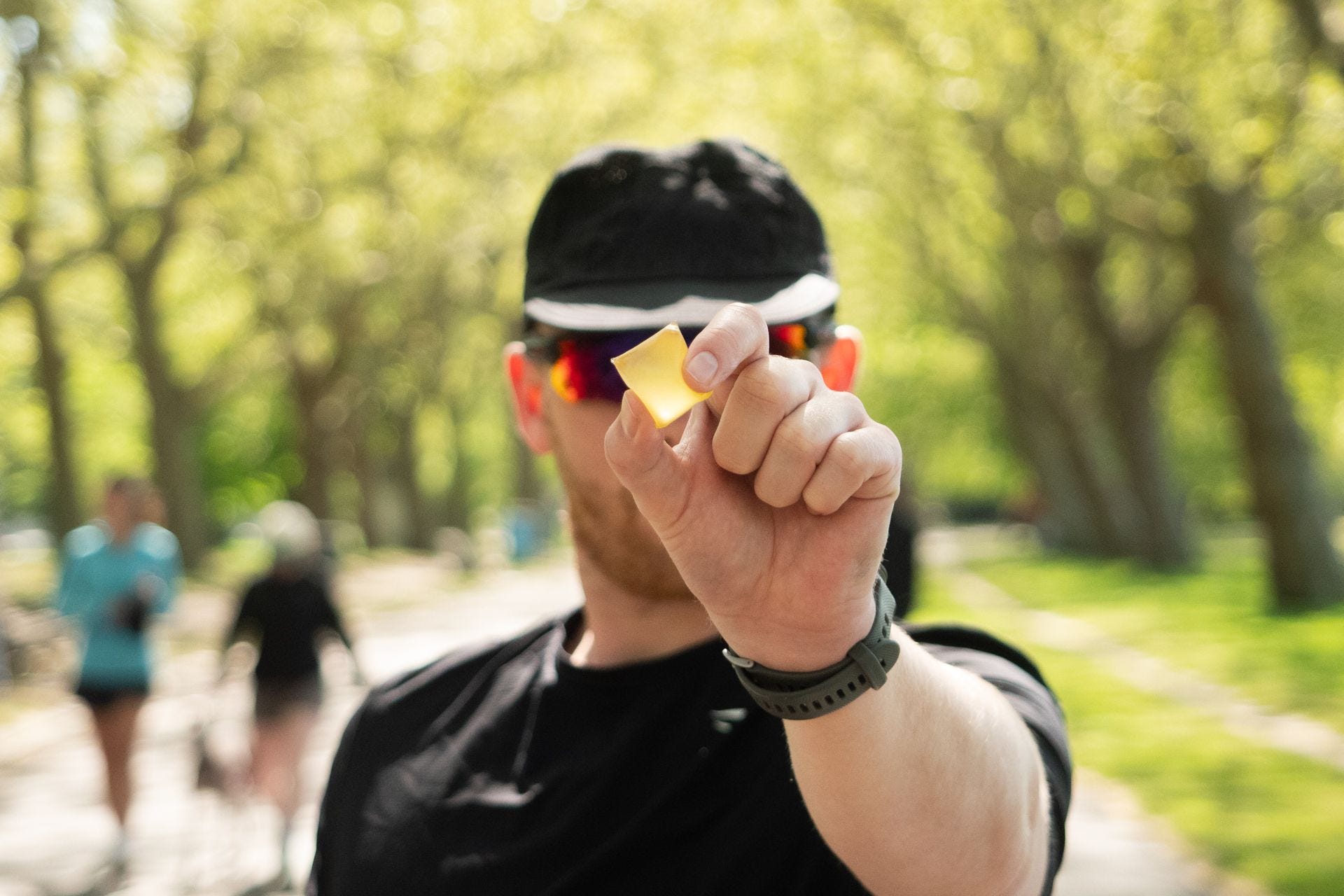
It was a limited deployment, but a notable one: an early test of how materials innovation could integrate into one of the most logistically complex endurance events in the world.
A similar evolution can be seen in other major races.
The Marathon de Paris 2026 is introducing a first-of-its-kind change at this scale : no disposable cups or plastic bottles at aid stations. Instead, runners will need to carry their own hydration system from the start — a shift designed to eliminate single-use waste from race-day fueling.
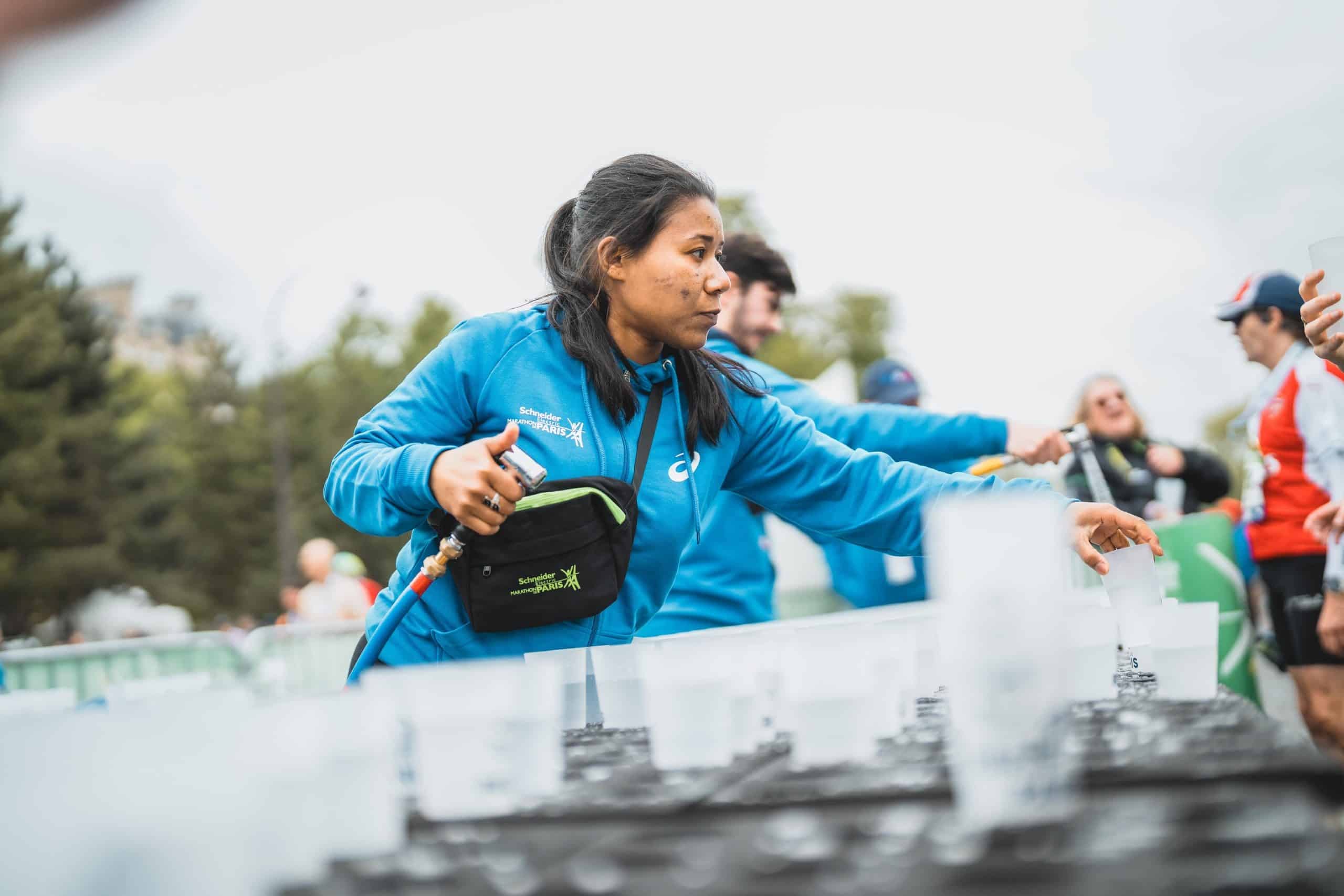
With more than 55,000 finishers in recent editions, the event is effectively becoming a large-scale test of a new hydration model, closely watched by the global running community.
Seven years after the London experiment, the focus of the sport has naturally shifted back to performance, competition, and records. But these operational and material changes remain part of its broader evolution.
Because if marathon history is often told through finishing times, it is also shaped by everything that surrounds them : organization, infrastructure, and increasingly, material choices.